
Exploring the Deep Connection Between Chronic Illness and Mental Health
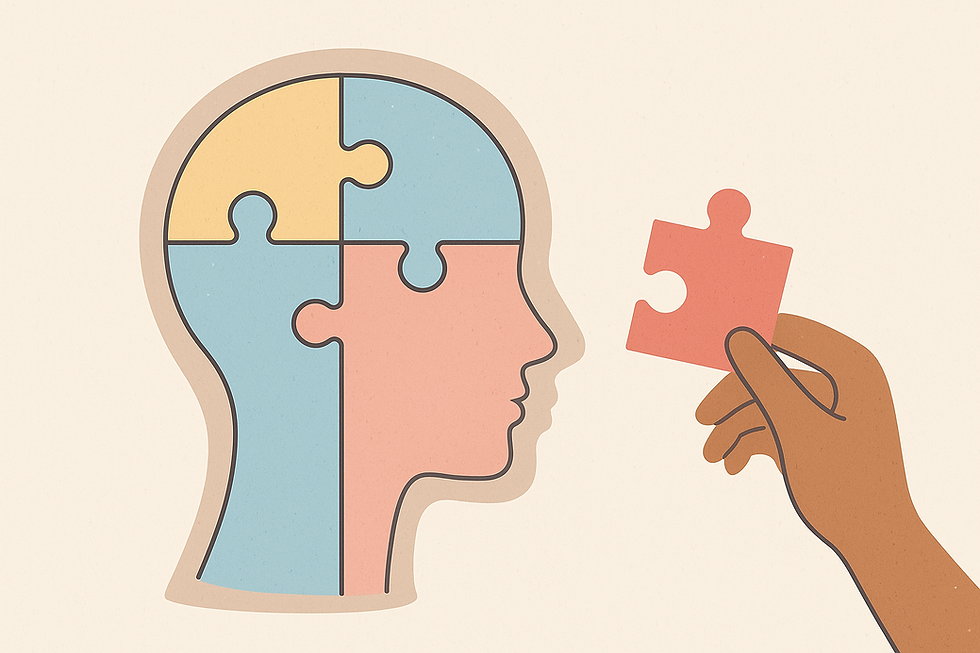
When you live with a chronic illness, you quickly learn that it doesn’t just affect your body. The constant symptoms, unpredictability, and lifestyle changes ripple into every part of your life — especially your mental health. Anxiety, depression, grief, and even trauma are common companions of chronic illness, not because someone is “weak,” but because the mind and body are deeply interconnected. Mental health is often the missing puzzle piece in a care plan for someone with a chronic illness.
As a therapist who specializes in chronic illness and who has a disability herself, I often remind clients that their emotional struggles are not separate from their physical condition. They are two sides of the same coin. Understanding why chronic illness and mental health are linked can help you feel less alone — and open the door to healing in a more holistic way.
The Stress of Living with Chronic Illness
Living with a chronic condition often means dealing with pain, fatigue, and medical uncertainty daily. This constant stress takes a toll. Over time, it can put the nervous system on high alert, creating feelings of anxiety or panic. It’s not uncommon for clients to describe a sense of always “waiting for the other shoe to drop,” worried about when the next flare-up or setback will arrive.
Stress also directly affects the body. When cortisol (the stress hormone) is constantly elevated, it can increase inflammation, worsen fatigue, and make symptoms harder to manage. This creates a vicious cycle: the illness causes stress, the stress worsens the illness, and the cycle continues.
Grief and Loss
Chronic illness also involves loss — sometimes of independence, sometimes of identity, and often of the life you thought you’d have. It is normal to grieve when your body no longer allows you to do the things you once loved or when future plans suddenly feel uncertain.
This grief isn’t a one-time event. For many people, it resurfaces each time their illness changes or limits them in new ways. Without acknowledging this grief, feelings of sadness or hopelessness can grow into depression. Therapy can help create space for this grief and allow people to honor both what has been lost and what still remains.
Isolation and Relationships
Another reason mental health is so tied to chronic illness is the impact on relationships. Friends may not understand why you cancel plans last minute. Family members may minimize your symptoms or expect you to “push through.” Over time, these misunderstandings can create feelings of isolation and even shame.
Isolation is a major risk factor for depression. Human beings are wired for connection, and when illness interrupts that, mental health can suffer. Finding supportive communities — whether online groups, local support circles, or therapy — can make an enormous difference. Being truly seen and believed is healing in itself.
Medical Trauma and Anxiety
Repeated medical procedures, dismissive doctors, or years of being misdiagnosed can also leave a lasting emotional impact. Many people living with chronic illness experience what’s known as medical trauma. This might look like panic attacks before appointments, feeling frozen when advocating for yourself, or reliving distressing experiences with past providers.
Medical trauma is rarely talked about, but it’s incredibly common. Recognizing it as trauma, rather than just “being sensitive,” validates the experience and opens the door to healing through approaches like trauma-informed therapy, grounding practices, and self-advocacy skills.
The Mind-Body Connection
None of this means that chronic illness is “all in your head.” Rather, it means the body and mind constantly influence each other. When the body experiences ongoing illness, the mind responds with stress, fear, or sadness. When the mind carries heavy emotional burdens, the body feels it too — through increased pain, worsened fatigue, or difficulty sleeping.
Taking care of mental health is therefore an essential part of chronic illness management. Just as you might see a doctor for your physical symptoms, seeking therapy for your emotional well-being is part of whole-person care.
How Therapy Can Help
Therapy offers a safe space to process the unique challenges of chronic illness. Some ways it can help include:
Learning coping tools to manage anxiety and stress during flares.
Processing grief and loss in a supportive environment.
Healing medical trauma through trauma-informed approaches.
Building self-compassion to counteract self-blame and guilt.
Improving communication skills for navigating relationships and advocating with providers.
When mental health improves, people often find they can cope with their illness more effectively, feel more resilient, and experience a greater sense of peace — even if their physical symptoms remain.
Final Thoughts
Chronic illness and mental health are deeply connected, not because you’re “overreacting,” but because the human body and mind are inseparable. Acknowledging this connection is not a weakness — it’s a step toward healing. If you live with a chronic illness and notice your emotional health suffering, know that you don’t have to navigate it alone. Reaching out for support can help you feel less isolated and more equipped to face the challenges ahead.
Your mental health matters just as much as your physical health. Taking care of both is the key to living as fully as possible with chronic illness.
Take the Next Step with Jenna at Brentwood Counseling Associates
Jenna understands the unique challenges of living with chronic illness because she lives with a disability herself and has trained in mental health therapy for those with chronic illness. Jenna provides compassionate, specialized support to help you manage stress, process grief, and build resilience while navigating the realities of your condition.
If you’re ready to take the next step toward healing, we invite you to reach out today. Together, we can create a safe, supportive space for you to care for both your body and your mind.


Comments